Law Firm & Legal Workflow Automation
For 5- to 50-attorney firms - plaintiff, M&A boutique, immigration, IP, commercial litigation. We install the automation backbone that keeps billable hours billable, time entries entered, and matters moving without partner babysitting.
The work that pays is the work that gets missed.
An end-to-end Backbone, plugged into your existing practice-management stack.
What we automate for law firms
Eight workflows that swallow attorney time at 5-50-attorney firms. Built to your bar rules and practice mix, not a generic legal SaaS feature set.
-

Intake & conflicts
New lead lands, intake form fills client record, conflict check runs against your matter database and prior parties, results land on the partner's review queue with citations. Time-to-engagement drops from days to hours.
-

Engagement letter generation
Engagement terms pulled from intake answers, fee structure templated by practice area, version-controlled and partner-reviewed before e-sign. No more retyping last month's letter with a new client name.
-
Matter setup
Signed engagement triggers matter creation in your PM tool, folder structure provisioned in your DMS, billing rates applied, deadlines seeded, intake team assigned. The whole intake-to-matter handoff happens without paralegal copy-paste.
-

Document automation
Motions, contracts, retainers, demand letters, and pleadings generated from your real templates with conditional clauses, jurisdiction-aware language, and party data pulled from the matter record. Drafts land in the attorney's review queue, not on a blank page.
-

Time entry enforcement
Time captured passively from calendar entries, email threads, document activity, and call logs. Attorneys review and confirm at end-of-day prompts instead of reconstructing a week from memory. Realization goes up because billable work stops falling on the floor.
-
AR & billing follow-up
Invoices generated on cycle, sent through your payment provider, tracked through aging, and escalated automatically by client tier. Partners review the exception list, not every account.
-

Deadline & SOL calendaring
Court deadlines, statute-of-limitations clocks, and matter-specific milestones calculated from filing dates and jurisdiction rules, synced to attorney calendars, with cascading reminders. Malpractice exposure shrinks.
-
Client comms / status portal
Client status updates auto-generated from matter activity, delivered through your portal or email, on a cadence appropriate to the matter. Reduces inbound 'what's happening with my case' emails without reducing actual communication.
Three practice types we serve
-
LITIGATION FIRMS
Deadline-heavy practices - plaintiff, commercial lit, family. Deadline calendaring, SOL tracking, and matter-status reporting are the highest-ROI automations. Bar-rule-aware scheduling matters more than document volume. -
TRANSACTIONAL FIRMS
Document-heavy practices - M&A boutiques, real estate, corporate. Document generation, redline workflows, signature routing, and closing-checklist orchestration drive the most recovered hours. Templates and conditional clauses are the asset, not the volume. -
SPECIALTY PRACTICES
Workflow-heavy practices - immigration, IP, family. Each matter has a structured lifecycle (visa stages, prosecution milestones, hearing prep). Automation captures the lifecycle, prompts the next action, and surfaces matters going stale.
What firms see in 90 days
Composite ranges from law-firm engagements
The Law Firm Backbone
One system, five connected modules, plus optional layers when the practice has them. Plugs into Clio, MyCase, PracticePanther, Smokeball, or Filevine - we don't replace your PM tool.
The Law Firm Backbone
Connected modules that turn your stack of tools into a practice that runs as a system:
Intake & Conflicts
Lead form → CRM record → conflict scan across matter and prior-party database → partner-review queue with hit citations. Hours-to-engagement collapses; bar-rule risk drops because conflicts get flagged at intake instead of two weeks in.
Document Generation
Engagement letters, retainers, motions, contracts, and demand letters generated from your firm's real templates. Conditional clauses by jurisdiction and practice area. Party data pulled from the matter - no more search-and-replace errors. Attorneys edit, don't draft from scratch.
Time Capture
Passive capture from calendar, email, document activity, and call logs feeds an end-of-day review prompt. Attorneys confirm or adjust; nothing gets reconstructed from memory on Friday. Realization climbs because billable work stops slipping through the cracks.
Billing Pipeline
Pre-bills generated on cycle, partner-edited in your PM tool, invoiced through LawPay or your processor, tracked through aging. Aging reminders escalate by client tier. AR runs as a pipeline, not as a partner-Friday task.
Calendar & Deadline System
Court deadlines, SOL clocks, and matter milestones calculated from filing dates and jurisdiction rules. Synced to attorney calendars. Cascading reminders at 30/14/7/1 days. Bar-rule-aware so the same engine handles state, federal, and admin proceedings.
Practice Management Integration
We plug into Clio, MyCase, PracticePanther, Smokeball, or Filevine - not replace them. The Backbone reads matters and writes time entries, documents, and deadlines back through their APIs. Your team's daily UX doesn't change; the seams between tools disappear.
Client Portal Layer
Optional layer for firms with client-facing status reporting requirements. Matter activity, milestone updates, and document delivery flow through your existing portal (Clio Connect, MyCase, Filevine Client Portal) or a custom branded portal. Client comms become a deliverable, not a partner interrupt.
How we install it
Same five-step playbook across every firm engagement. Each phase delivers value before the next begins.
- 1
Step 1. Efficiency Scorecard
Ten-minute diagnostic mapping where billable hours actually leak - intake bottlenecks, document drafting time, missed time entries, AR exposure. You walk away with a prioritized list whether we engage or not.
- 2
Step 2. Roadmap Design
12-month plan ordered by ROI. Litigation firms typically start with calendaring + time capture; transactional firms with document automation; specialty practices with intake + matter-lifecycle. Built around your existing PM tool.
- 3
Step 3. Phased Implementation
One module at a time. Each goes live and pays back before the next starts. Privilege controls, audit logs, and bar-rule-aware logic engineered in from day one - not bolted on later.
- 4
Step 4. Training and Handoff
Attorneys learn the review-queue workflow. Paralegals learn the exception paths. Full documentation, diagrams, video walkthroughs. The firm owns and can extend the system.
- 5
Step 5. Ongoing Monitoring
24/7 monitoring, automated error recovery, monthly optimization reviews against usage data, updates when Clio or your DMS changes. SLA-based incident response.
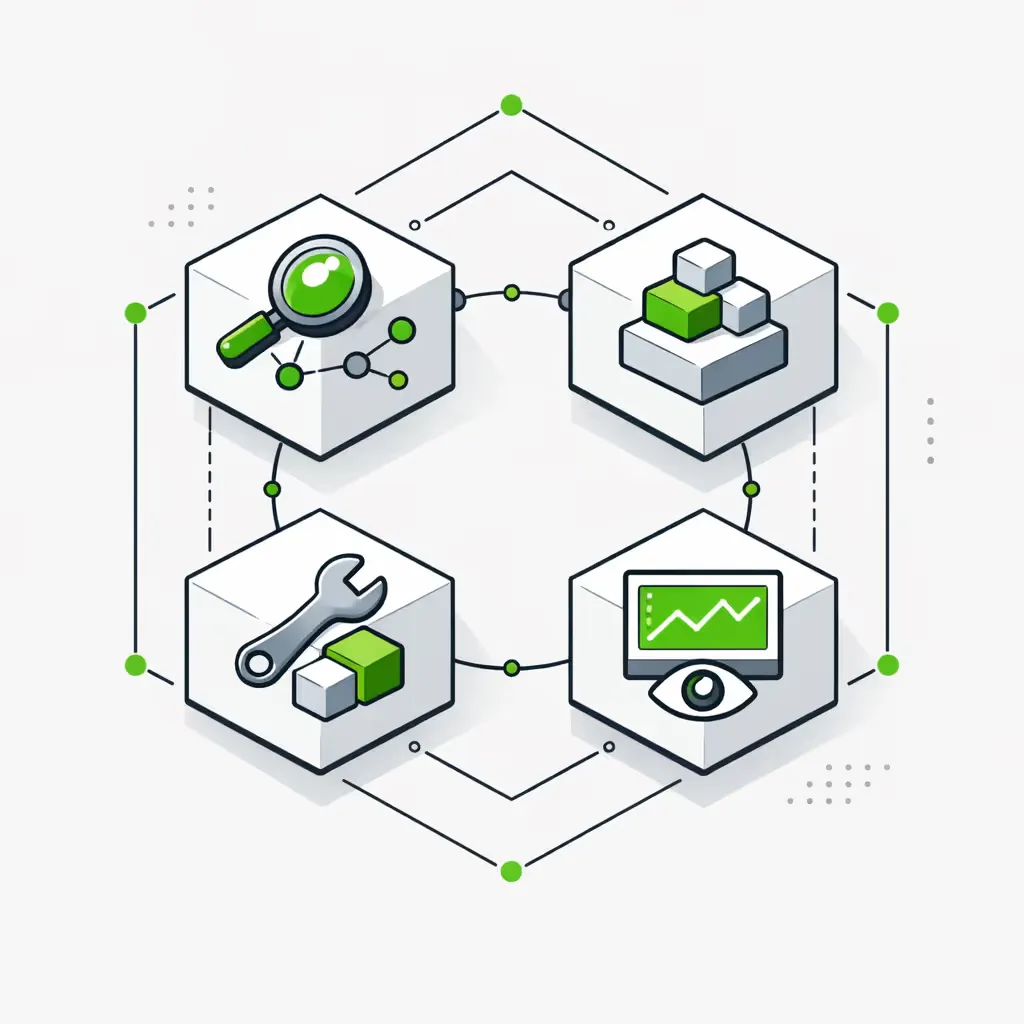
Why production-grade matters in regulated practice
Privilege-aware engineering
Matter data, client communications, and work product handled with access controls that match attorney/staff/co-counsel boundaries. No client data flowing to unapproved LLM endpoints. Audit logs on every read and write.
No rip-and-replace
Your PM tool, DMS, and e-sign provider stay. We engineer around them. Clio, MyCase, Filevine, NetDocs, iManage - we plug in via their APIs and respect their data model.
Bar-rule aware
Trust accounting, unauthorized practice, multi-jurisdictional engagement rules - we engineer with state bar constraints in mind and route flagged scenarios for partner review.
Your stack, not ours
We've shipped against every major legal PM platform in production. We don't push a preferred vendor. We use what you're already paying for and connect it cleanly.
Retainer, not project bill
Once your Backbone is live, ongoing monitoring + maintenance + incremental builds runs on a monthly retainer. You're not paying for fresh discovery every time your DMS updates.
Stack we connect
We've integrated each of these in production firm environments. If your firm runs on it, we've probably already shipped against it.
Engagement
Workshop & Scorecard - half-day diagnostic, $2.5K. Prioritized roadmap whether we build or not.
Foundation install - typical $15-50K depending on practice mix, document-template depth, and integration count. Goes live module by module.
Ongoing retainer - from $1K/mo for monitoring + maintenance. Higher tiers add ongoing build capacity for new templates, new practice areas, or new jurisdictions.
Frequently asked questions
The questions managing partners ask us before signing the workshop.
Do you replace our practice management software?
No. Clio, MyCase, PracticePanther, Smokeball, Filevine - whichever you use stays. We plug into its API and engineer around it. Your team's daily UX doesn't change; what changes is the seams between PM, DMS, e-sign, accounting, and email.
Can you integrate Clio / MyCase / PracticePanther / Filevine?
Yes - all four, plus Smokeball, CARET Legal, and several smaller platforms. The Backbone treats your PM tool as the system of record for matters and writes time, documents, and deadlines back through its API. More on document workflow patterns here.
How do you handle privileged / confidential data?
Row-level access controls per matter, audit logs on every action, SOC 2-aligned hosting, and no client data flowing to unapproved LLM endpoints. When AI is part of a workflow (e.g., document drafting), it runs against approved models with data-handling agreements in place. Our broader posture is documented in our automation-security writeup.
What about state-specific bar rules and unauthorized practice?
The system doesn't practice law - it routes work to the right human and surfaces edge cases for partner review. Conflict checks, jurisdictional flags, and bar-rule constraints are encoded as routing logic, not as substitute judgment. Any output that touches client advice goes through attorney review by design.
Can you automate court filings?
For jurisdictions with API-accessible e-filing (federal PACER/CM-ECF, some state systems), yes - document prep, filing assembly, and submission can be automated end-to-end with attorney sign-off. For court systems without API access, we automate the prep and assembly and leave the filing click to a human. We're honest about which jurisdictions support which.
How does it work with our existing document templates?
We use your templates. We don't ask you to rebuild them. We add conditional logic and data-binding to your existing Word/Google Docs templates so each matter generates a draft that's already 90% of the way there. Attorneys edit; they don't draft from scratch.
What's the ROI for a 12-attorney firm?
Range from composite engagements: 1,000-2,500 attorney hours/year recovered (time entry + document prep + AR chase), 30-50% faster monthly billing close, AR-days outstanding down 30-40%. Model your own here with your firm's numbers.
Does it work with contingency-fee practices (no billable hours)?
Yes - different metrics, same Backbone. For contingency practices the high-ROI modules are intake & conflicts, document automation, deadline/SOL calendaring, and matter-lifecycle reporting. Time capture is still useful for tracking work product even when it doesn't get billed.